
What is ABA Therapy? A Simple Guide for Parents

If you have recently started a journey with an autism diagnosis or developmental delay, you have probably heard one acronym more than any other: ABA.
Thank you for reading this post, don't forget to subscribe!Doctors recommend it, insurance companies ask about it, and other parents talk about it. But when you turn to Google, the definitions often sound like a college textbook. You see terms like "contingencies," "reinforcement," and "data collection."
As a parent, you just want to know: What is it, and will it help my child?
The Basic Definition
ABA stands for Applied Behavior Analysis.
At its heart, ABA is simply the science of learning. It is a therapy based on the idea that we can help children learn new skills and reduce challenging behaviors by understanding why they do what they do.
It isn’t magic, and it isn’t a one-size-fits-all program. It is a method of teaching that breaks complex skills down into small, manageable steps.
How Does It Work?
While every child’s program is different, ABA generally focuses on two main things:
- Positive ReinforcementThis is the cornerstone of ABA. The concept is simple: when a behavior is followed by something the child values (like a high-five, a favorite toy, or specific praise), they are more likely to do that behavior again.
For example, if your child is learning to say "ball," and they make a sound close to it, we celebrate immediately. Over time, this encouragement helps them build confidence and consistency. We focus on catching them being good and rewarding the skills we want to see grow.
- Breaking Things DownTasks that seem simple to us—like brushing teeth or asking a friend to play—are actually made up of dozens of tiny steps. ABA therapists are experts at breaking these big goals into small, achievable victories. We teach step one, master it, and then move to step two. This prevents the child from feeling overwhelmed.
What Does an ABA Session Look Like?
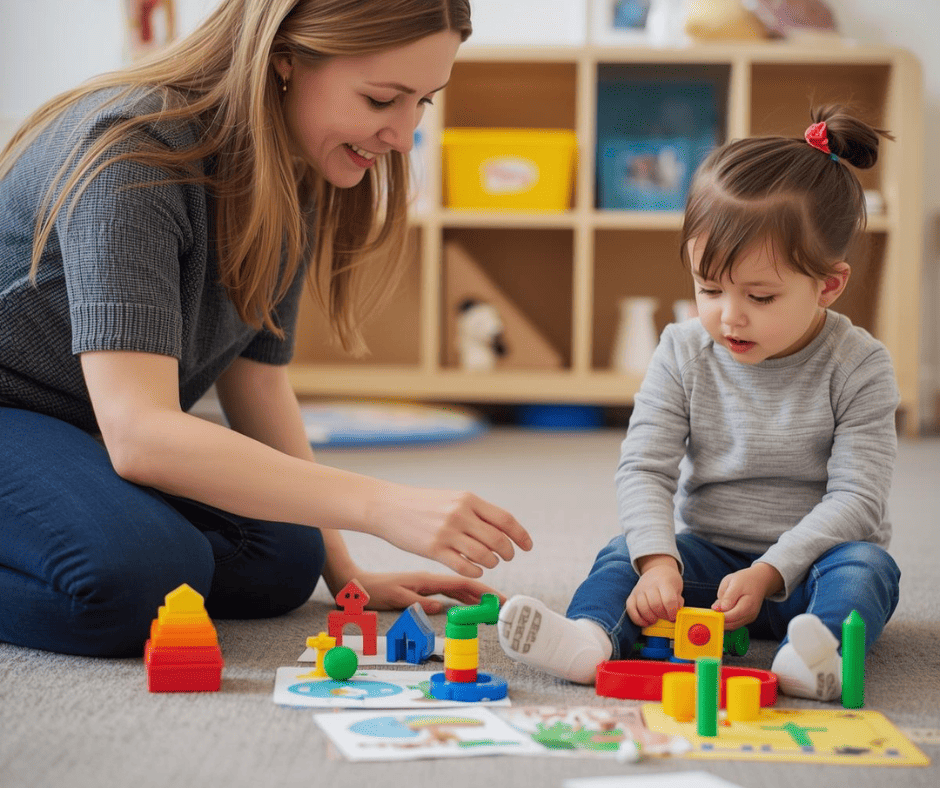
This is the most common question we get! Modern, quality ABA should look a lot like play.
While there is serious work happening, it shouldn't feel like a rigid classroom. If you walk into a session at Gradual Behavioral Health, you might see a therapist playing with cars on the floor, doing a puzzle, or having a snack with a child.
During these natural activities, the therapist is working on specific goals, such as:
- Communication: Asking for items, naming objects, or using gestures.
- Social Skills: Taking turns, making eye contact, or playing alongside others.
- Daily Living: Toileting, dressing, or eating.
- Reducing Frustration: Helping a child communicate their needs so they don't have to resort to tantrums or aggression.
The Goal of ABA
The ultimate goal of ABA is not to change who your child is. The goal is to give them the tools they need to navigate the world independently and happily. We want to help them express their wants and needs so they can connect with you and the community around them.
Where Do I Start?
Navigating the world of therapy can be confusing, but you don't have to do it alone. The key is finding a provider who listens to your family's specific needs.
Gradual Behavioral Health
At Gradual Behavioral Health, we specialize in making this approachable and effective. If you have questions about how ABA might work for your child, we are here to help guide you through the process.